The Sith have always had a strange kind of pull. They’re villains, sure. But they’re also complex, stylish, and more than a little dramatic. Darth Vader’s breathing. Maul’s double-bladed lightsaber. Palpatine’s slow-burn chaos. These characters leave a mark.
So it’s no surprise that fans have been collecting Sith-themed stuff for decades. What’s interesting, though, is how those collectibles have changed over time. From bulky action figures to sleek custom mini-figs, the shift tells its own story.
And if you look closely, you’ll see a pattern: the more detailed and personal these items get, the more people want them.
The Early Years: Plastic and Cardboard
Let’s start with the basics. In the late 70s and early 80s, when the original Star Wars trilogy was in full swing, most Sith collectibles were simple. Kenner’s Darth Vader action figure—stiff arms, telescoping lightsaber, vinyl cape—was one of the first. And back then, that was enough. Kids just wanted to reenact the hallway scene or toss him across the Death Star playset.
Packaging mattered too. Some collectors still chase the old cards with the Vader head in the corner or the Empire logo in bold. They’re not flashy by today’s standards, but they were the start of something bigger.
Palpatine came a little later. Less popular with kids, but his figures had that strange “you don’t want to mess with me” vibe. Even early Maul toys from the Phantom Menace era followed the same formula: decent sculpt, decent articulation, and usually a spring-loaded gimmick of some kind.
2000s: The Rise of Detail
Once Revenge of the Sith hit theaters, things started to shift. Collectors were getting older. Expectations changed. People wanted realism. They wanted variety. They wanted every version of a character—battle-damaged, hood up, hood down, hologram, ghost, lava-scorched.
Sideshow and Hot Toys came in swinging with hyper-detailed figures. Darth Sidious with his twisted hands. Count Dooku with cloth robes and two sabers. These weren’t toys anymore. They were display pieces. And the price tags matched.
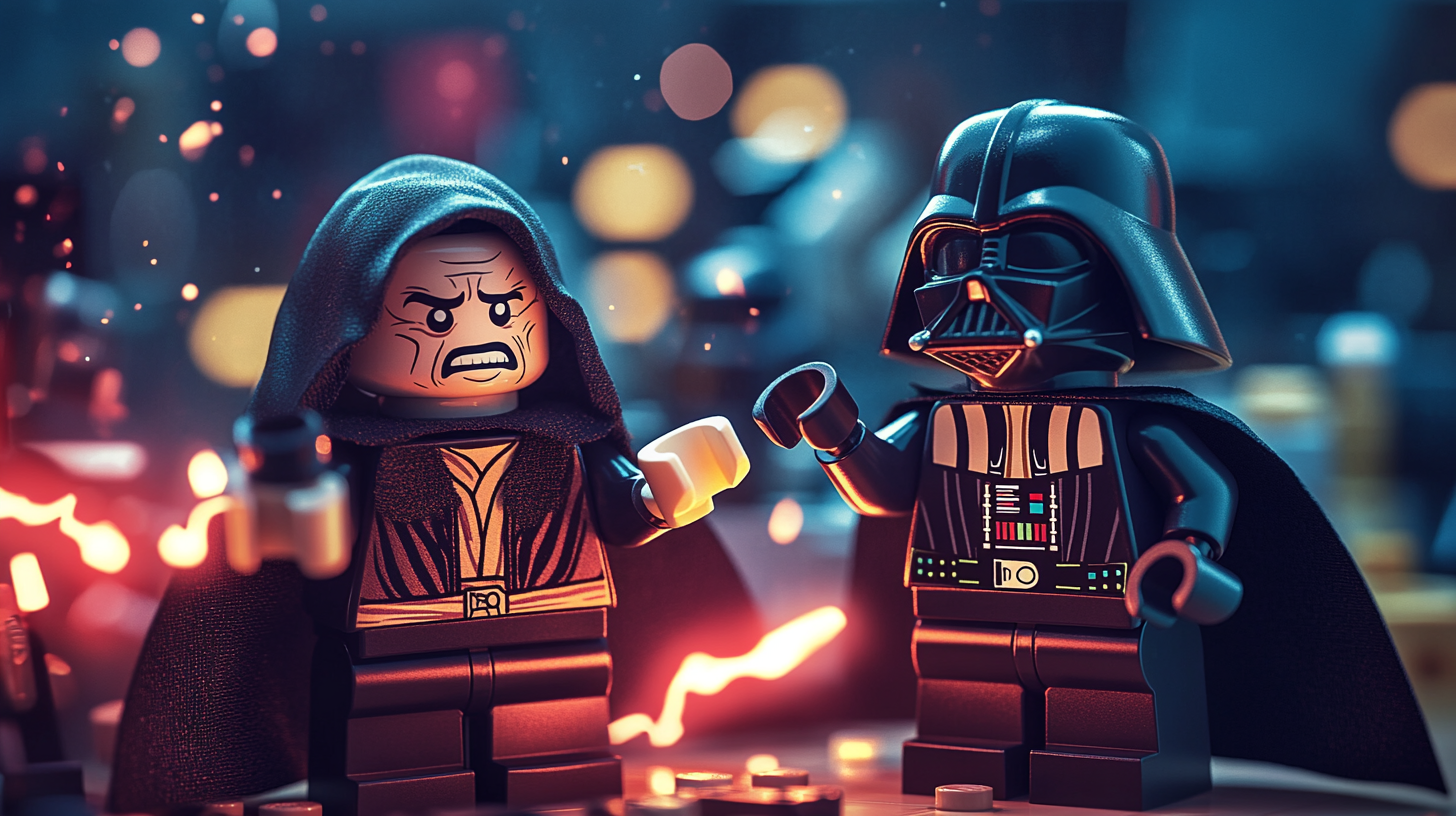
Even LEGO got into it. Their Sith characters started basic but eventually got unique prints, custom headpieces, and specific expressions. Maul’s face looked intense. Kylo got his cracked helmet. The detail kept ramping up.
But all of these still had something in common: they came pre-defined. If you wanted to tweak or personalize them, you had to get creative.
The Shift Toward Customization
Around the mid-2010s, a different kind of collecting started to gain traction. Instead of mass-produced figures, people started looking for ones that felt personal. That looked different from the hundred others on the same shelf.
Some of that was tied to 3D printing and custom sculpting. Small creators began offering alternate heads, painted accessories, or mashups. You’d see Vader in samurai armor. Or a dark side Jedi who never actually existed in canon but looked like he should have.
Mini-figs became a surprising favorite in this space. Especially customized ones. Partly because they’re fun. But also because they let fans design a version of a character that meant something to them.
I think this is where things started getting interesting.
Why Mini-Figs Hit Different
There’s something about a tiny, stylized figure that makes people pause. Maybe it’s the nostalgia. Maybe it’s the fact that you can pose one on your desk without making a big deal about it.
But the custom mini-figs? That’s a different level.
You can get a Darth Bane with cracked armor and glowing eyes. A female Sith with a double saber and a scowl. A custom figure based on your own fan design, right down to the color of the cloak and the saber hilt.
Places like minifig.biz have leaned into this. They don’t just sell random figures—they build them around ideas. Sith lords with attitude. Dark side warriors that look like they belong in a game or a comic. If you’ve ever wanted a version of Maul that felt less polished and more feral, or a custom inquisitor with a tattered robe and an eyepatch, this is where you start.
The appeal isn’t just the character. It’s the craft. These figures have texture. Expression. Style. They don’t feel mass-produced. They feel curated.
From Collector to Creator
I think what really changed is that fans stopped waiting for companies to tell them what was collectible. They started deciding for themselves. Instead of buying the twentieth version of Vader from a big-box store, people started looking for the one that spoke to their own version of the story.
You see it at conventions. Mini-fig displays with custom Sith characters lined up like a rogue’s gallery. Some from canon. Some original. All with their own look. Their own presence.
There’s something satisfying about that. Not just owning something rare, but something that fits you.
What Makes a Good Sith Mini-Fig?
A few things, in my opinion.
First, the silhouette. A good Sith figure should have a recognizable outline—cloak, saber, stance. Even in miniature, you should feel the presence.
Second, the face. Not just angry or mean. Something nuanced. A smirk. A haunted look. Rage that’s not cartoonish.
And third, details. A cracked hilt. Burn marks. A tattered cape. These things matter, especially at a small scale.
Custom shops like minifig.biz get that right more often than not. The difference is noticeable when you hold them. They aren’t trying to copy. They’re trying to build something new from something familiar.
The Future of Sith Collecting
Where does it go from here? Probably deeper into customization. More fans are making characters that never appeared in movies. Some are mixing styles—cyberpunk Sith, medieval Sith, even noir detective-style Sith figures.
The mini-fig format works especially well for this. You can experiment without needing a huge display case. You can swap parts, add paint, and still keep it compact.
And if you’re someone who likes to give gifts or share fandom with others, these figures make it easy. You don’t have to explain the entire backstory. Just hand someone a figure and say, this one reminded me of you. That’s a connection.
Final Thought
Sith collectibles have come a long way. From stiff plastic toys to highly articulated figures to tiny custom builds with real character. And while the vintage stuff still has its place, there’s something exciting about where things are now.
It’s not just about owning a piece of the dark side. It’s about shaping it. Making it yours.
And if you’re looking for a place to start that journey—or just want to add something a little different to your shelf—there are a few shops out there that get it. One of them is minifig.biz. You won’t find mass-market Vader there. But you will find something that might surprise you.
That’s kind of the whole point.